Not every rescued animal can go home. Some suffer injuries too severe to survive in the wild, while others have spent so much of their lives under human care that returning them to nature is no longer possible. Hidden in a peaceful valley, one wildlife sanctuary has become a lifelong home for these forgotten survivors.
A Place Where Every Life Matters
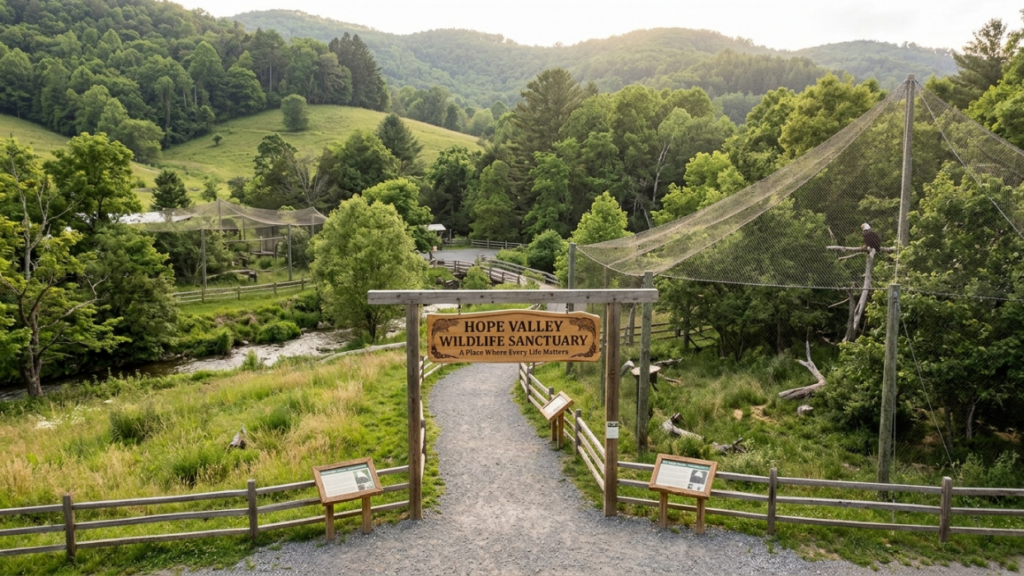
Nestled between rolling hills and ancient forests lies Hope Valley Wildlife Sanctuary, a place unlike any ordinary rescue center.
There are no admission tickets.
No animal performances.
No cages designed for entertainment.
Instead, every enclosure has been carefully created to resemble the animal’s natural habitat, providing space to roam, hide, climb, swim, and simply live in peace.
The sanctuary was founded more than twenty years ago by a small group of wildlife veterinarians and conservationists who shared one belief:
Not every rescue story ends with an animal returning to the wild.
Some animals arrive after surviving devastating wildfires that destroyed their habitats.
Others are victims of illegal wildlife trafficking, rescued before reaching the black market.
Some have permanent disabilities caused by vehicle collisions, poaching traps, or untreated injuries.
Returning these animals to nature would almost certainly mean death.
The sanctuary became their forever home.
Every resident has a unique story.
A bald eagle that can no longer fly after suffering a severe wing injury.
A red fox missing one of its front legs after escaping a steel trap.
A family of otters rescued during catastrophic flooding.
An elderly owl whose damaged eyesight prevents it from hunting.
To visitors, they are beautiful animals.
To the caretakers, they are survivors.
Healing More Than Broken Bodies
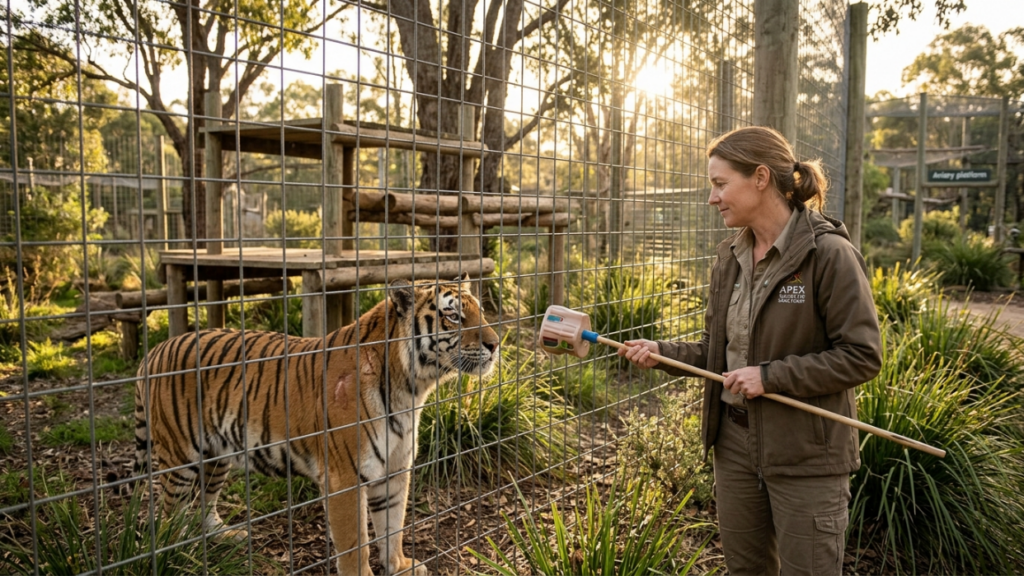
Life inside the sanctuary follows a peaceful rhythm.
At sunrise, veterinarians begin morning health checks while caretakers prepare specialized diets for more than one hundred resident animals.
Every meal is carefully planned.
Carnivores receive fresh meat prepared according to veterinary recommendations.
Herbivores enjoy seasonal vegetables, leaves, and native plants grown on the sanctuary grounds.
Enrichment activities are just as important as nutrition.
Hidden food encourages predators to use their natural instincts.
Floating toys stimulate rescued otters.
Large climbing structures keep injured bears physically active despite their disabilities.
For birds unable to fly, elevated platforms provide safe places to perch while allowing them to observe the surrounding landscape.
Healing isn’t only physical.
Many rescued animals arrive deeply traumatized after years of neglect or abuse.
Some panic whenever humans approach.
Others hide for weeks before feeling safe enough to explore their new surroundings.
The sanctuary staff never rushes rehabilitation.
Trust is earned slowly.
Sometimes it takes months.
Sometimes it takes years.
Every small milestone is celebrated.
The first confident step.
The first playful interaction.
The first peaceful night’s sleep without fear.
To the outside world, these moments may seem insignificant.
To the people who dedicate their lives to rescue, they mean everything.
A Legacy of Hope
Although many sanctuary residents will never return to the wild, their lives continue to serve an important purpose.
School groups regularly visit to learn about wildlife conservation, habitat protection, and responsible coexistence with nature.
University researchers study rehabilitation techniques that improve the care of injured wildlife around the world.
Photographers document remarkable recovery stories that inspire countless people to support rescue organizations and conservation efforts.
Every rescued animal becomes an ambassador for those that still live in the wild.
Over the years, thousands of visitors have left the sanctuary with a deeper understanding of how human actions affect wildlife.
Some become volunteers.
Others choose careers in veterinary medicine or environmental science.
Many simply become more mindful of the natural world around them.
The sanctuary has proven that success isn’t always measured by releasing every animal back into nature.
Sometimes success means giving an injured eagle a place to spread its wings again.
Sometimes it means allowing an aging fox to spend its remaining years without fear.
Sometimes it means offering dignity, comfort, and compassion to lives that have already endured more than enough hardship.
Hope Valley Wildlife Sanctuary may never empty its enclosures.
And that’s exactly the point.
As long as injured, orphaned, and vulnerable animals continue to need help, its gates will remain open.
Because every rescued life deserves not only survival—but also the chance to live with peace, safety, and respect.
